
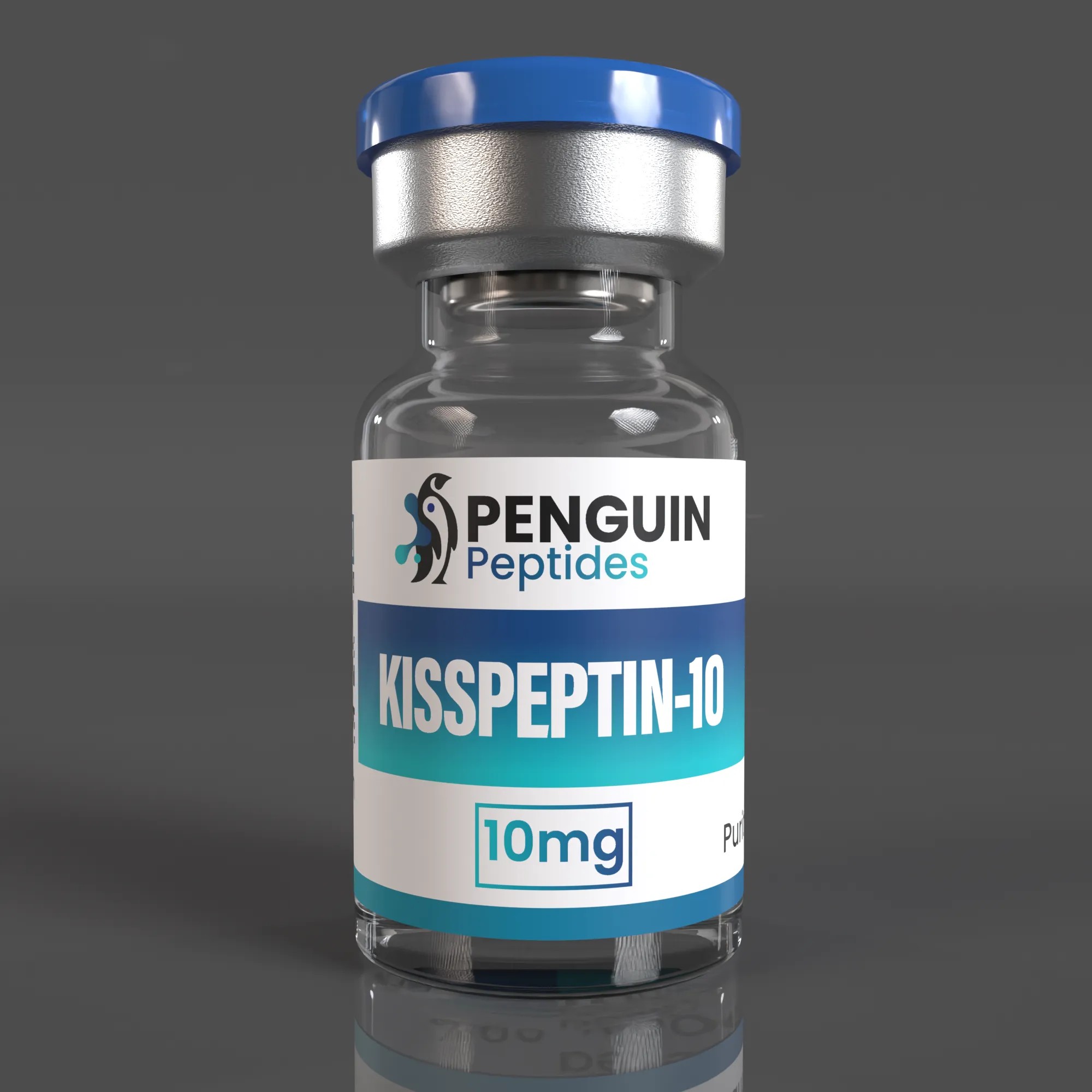
KissPeptin


$52.00
Buy KissPeptin — High-Purity Neuroendocrine Peptide Reference Standard
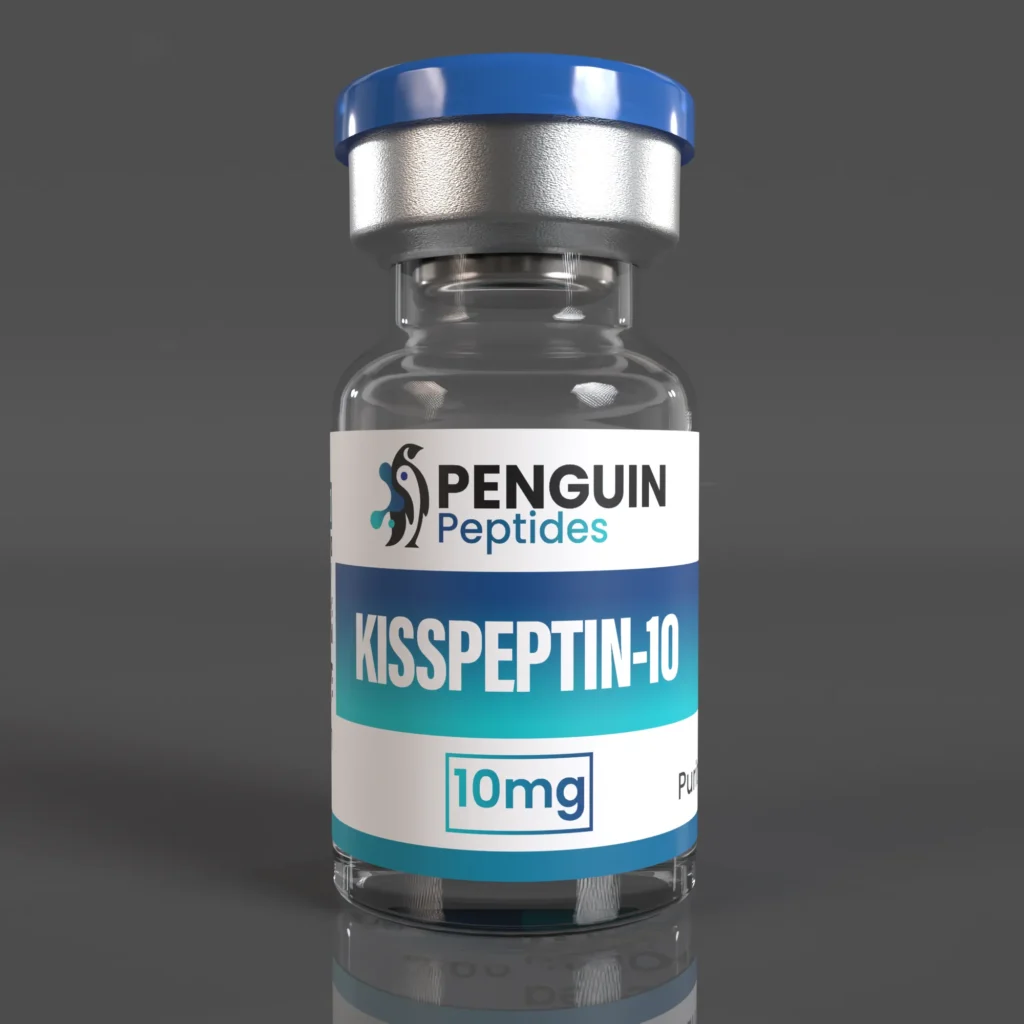
KissPeptin (Kisspeptin-10), supplied by Penguin Peptides, is a essential hypothalamic neuropeptide derivative engineered for advanced research into the central control of reproduction and hormonal cascades. This high-purity lyophilized presentation serves as a specialized reference standard designed for precise laboratory investigation into gonadotropin-releasing hormone (GnRH) pulse regulation, the hypothalamic-pituitary-gonadal (HPG) axis, and reproductive endocrine signaling architectures.
Kisspeptin: Investigating the Pillars of Reproductive Endocrinology and Hypothalamic Signaling
Kisspeptin is a specialized neuropeptide engineered for advanced experimental investigation within reproductive endocrinology, hypothalamic pathways, and gonadotropin regulation. Classified among critical neuroendocrine regulator peptides, it commands significant interest in contemporary laboratories due to its distinct binding affinity and robust interaction characteristics. Researchers source Kisspeptin to evaluate complex axis activation kinetics, hormonal signaling cascades, and reproductive feedback loops, making it a critical asset for comprehensive in vitro trials.
What is Kisspeptin?
Kisspeptin is a meticulously synthesized neuropeptide encoded by the KISS1 gene, designed to mimic or modulate specific G-protein coupled receptor targets. Structurally, it features a precisely controlled amino acid sequence optimized for stability and reproducible experimental outcomes.
-
Chemical Composition: Synthetic neuropeptide analogue featuring tailored sequence integrity corresponding to the KISS1 active fragment.
-
Primary Biological Targets: G-protein coupled receptor 54 (GPR54 / KISS1R) involved in hypothalamic-pituitary-gonadal axis regulation.
-
Form: Lyophilized powder engineered for optimal reconstitution accuracy.
The Critical Importance of Kisspeptin in Modern Research
In modern experimental frameworks, maintaining compound integrity across extended testing cycles is paramount. Kisspeptin provides exceptional structural stability, minimizing degradation during cellular assays. Its predictable kinetic profile allows researchers to establish reliable baselines when studying multi-pathway interactions, receptor desensitization models, and neuroendocrine signaling dynamics.
How Kisspeptin Functions in Laboratory Research
-
Receptor Activation: Interacts selectively with KISS1R membranes to initiate downstream intracellular calcium mobilization and second-messenger cascades in controlled cell models.
-
Hormonal Regulation: Influences upstream pathways associated with gonadotropin-releasing hormone (GnRH) release and downstream endocrine signaling.
-
Signaling Crosstalk: Modulates receptor-mediated communication between hypothalamic neurons and pituitary tissues under experimental stress models.
-
Cellular Adaptation: Regulates gene expression markers linked to reproductive development and neuroendocrine preservation during in vitro assays.
Primary Research Benefits & Applications
-
Investigating advanced reproductive endocrinology pathways and hypothalamic regulation models.
-
Assessing receptor binding affinities and analog efficacy in comparative assay models.
-
Exploring neuroendocrine feedback loops using specialized in vitro frameworks.
-
Evaluating synergistic applications alongside related research compounds, such as Vitamin B12 (Cyanocobalamin) (10ml) and standard reference materials available through Amino USA.
Rigorous Quality Assurance
Every batch of Kisspeptin undergoes strict analytical validation to ensure absolute experimental reliability. Our quality control protocols feature high-performance liquid chromatography verifying >99% purity, alongside mass spectrometry confirmation of molecular weight. Each vial is supplied as a stable lyophilized powder, ensuring maximal shelf-life and structural preservation prior to laboratory reconstitution.
Why Choose Penguin Peptides
Penguin Peptides delivers uncompromised quality for laboratory and academic researchers worldwide. Benefit from our exclusive promotional code PP10 to receive 10% off your order, or take advantage of our automatic 20% discount on all cryptocurrency transactions. We provide secure SSL encryption across our platform alongside fast, reliable shipping to ensure your research materials arrive securely and on schedule.
Frequently Asked Questions (FAQs)
How should Kisspeptin be reconstituted for laboratory assays?
Reconstitution should be performed using bacteriostatic water or sterile PBS depending on your specific experimental protocol. Gently introduce the solvent down the side of the vial without vigorous shaking to maintain peptide integrity.
What are the optimal storage conditions for Kisspeptin?
Prior to reconstitution, store the lyophilized powder at -20°C. Following reconstitution, store the solution between 2°C and 8°C and utilize within the recommended experimental window.
Is this product approved for human use?
No. All products distributed by Penguin Peptides are strictly intended for laboratory research purposes.
Conclusion
Kisspeptin stands as an exceptional compound for investigators dedicated to uncovering the intricacies of reproductive endocrinology and hypothalamic signaling. With verified high purity, rigorous analytical testing, and reliable batch consistency, it provides the precise foundation necessary for advanced molecular research.
Disclaimer: This product is sold strictly for in vitro and laboratory research use only. It is not approved for human consumption, therapeutic use, clinical diagnosis, or administration to humans or animals.
| MG | 10 mg, 5 mg |
|---|
Related products
Sexual Research
Sexual Research

Sexual Research